The syndic
Duties, volunteer or professional, mandate, contract, change.
Preparing a general meeting, checking a service charge statement, changing your syndic, reading a deed of division: each page sets out what to do, backed by the articles of the Belgian Civil Code.
Duties, volunteer or professional, mandate, contract, change.
Notice, quorum, majorities, minutes, challenges, council.
Budget, annual statement, funds, water and heating, arrears, MAR/PCMN.
Law, articles, house rules, VME, common parts, justice of the peace, glossary.
Works, maintenance, fire, insurance, water damage, disputes.
Buying, selling, syndic documents, shared charges, new co-owner.
Flanders, Brussels, Antwerp, Ghent and the regional grants.
Software, assisted volunteer syndic, alternatives to a pro syndic.
 Blog · 21.10.2026
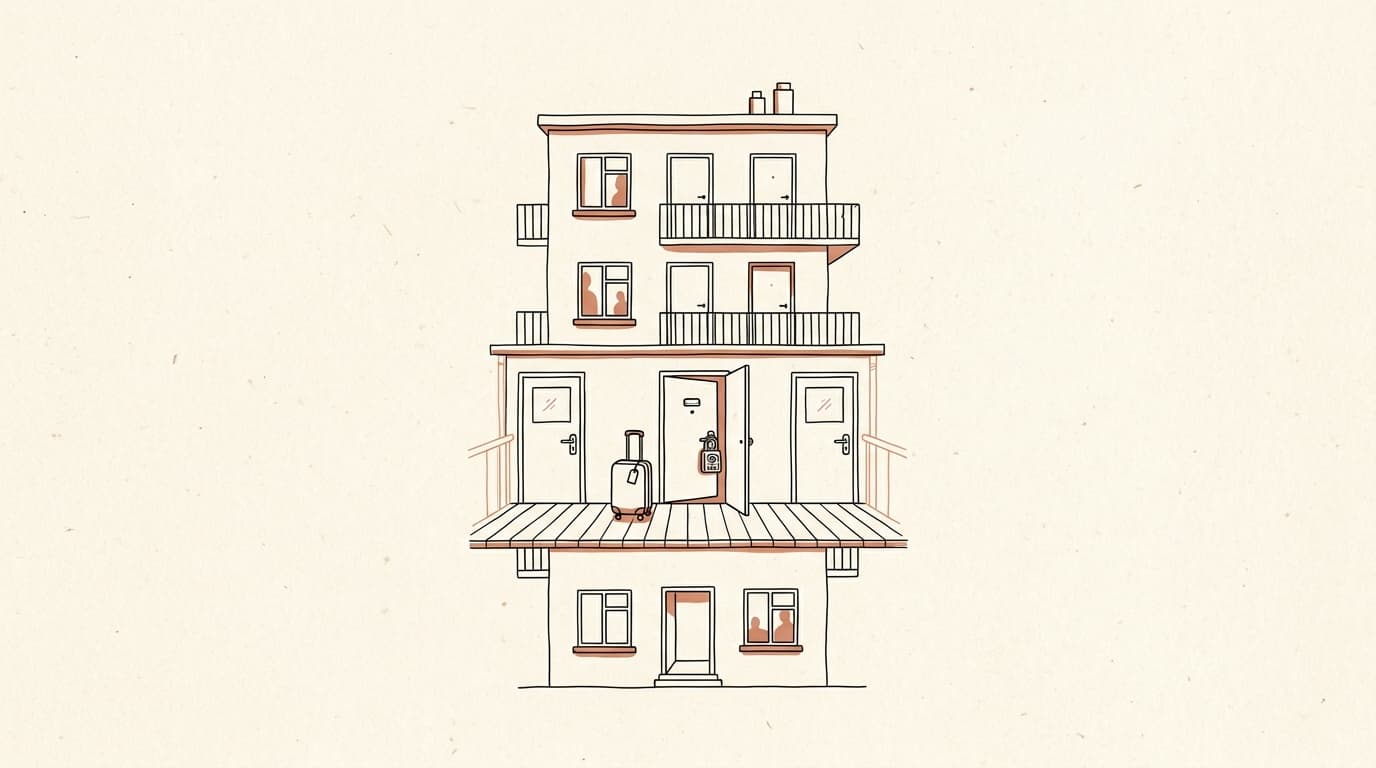
Yes, but not through a simple clause in the house rules. A Belgian co-ownership can ban or regulate holiday letting by amending its articles, by a four-fifths majority of the votes and before a notary. In Brussels, a co-owner cannot register anyway without the written consent of the general meeting.
Read the post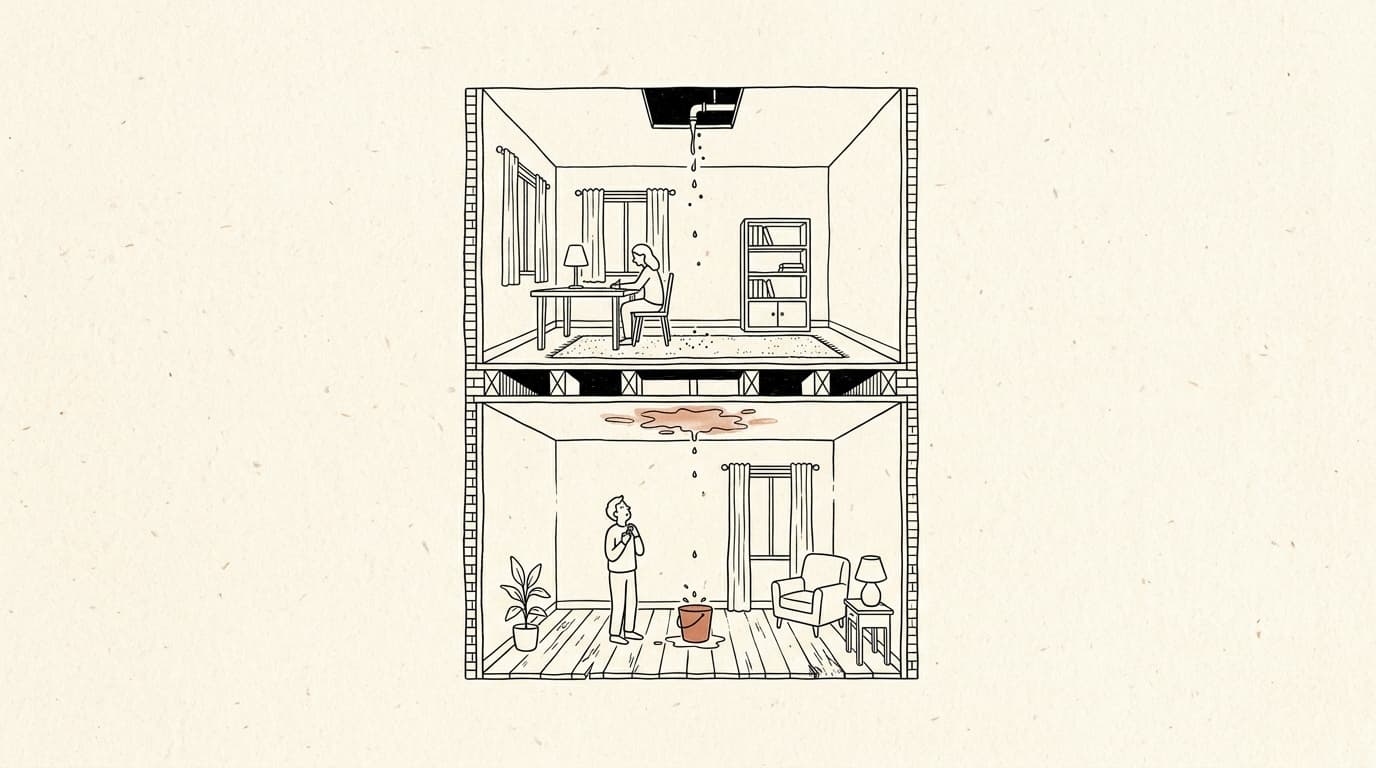 Blog · 19.10.2026
Most of the time, two contracts each pay their share. The building policy, taken out by the syndic, covers the damaged structure if it includes water damage cover; your home insurance covers your contents. Repairing the leak follows a third logic: that of the part involved, common or private.
Read the post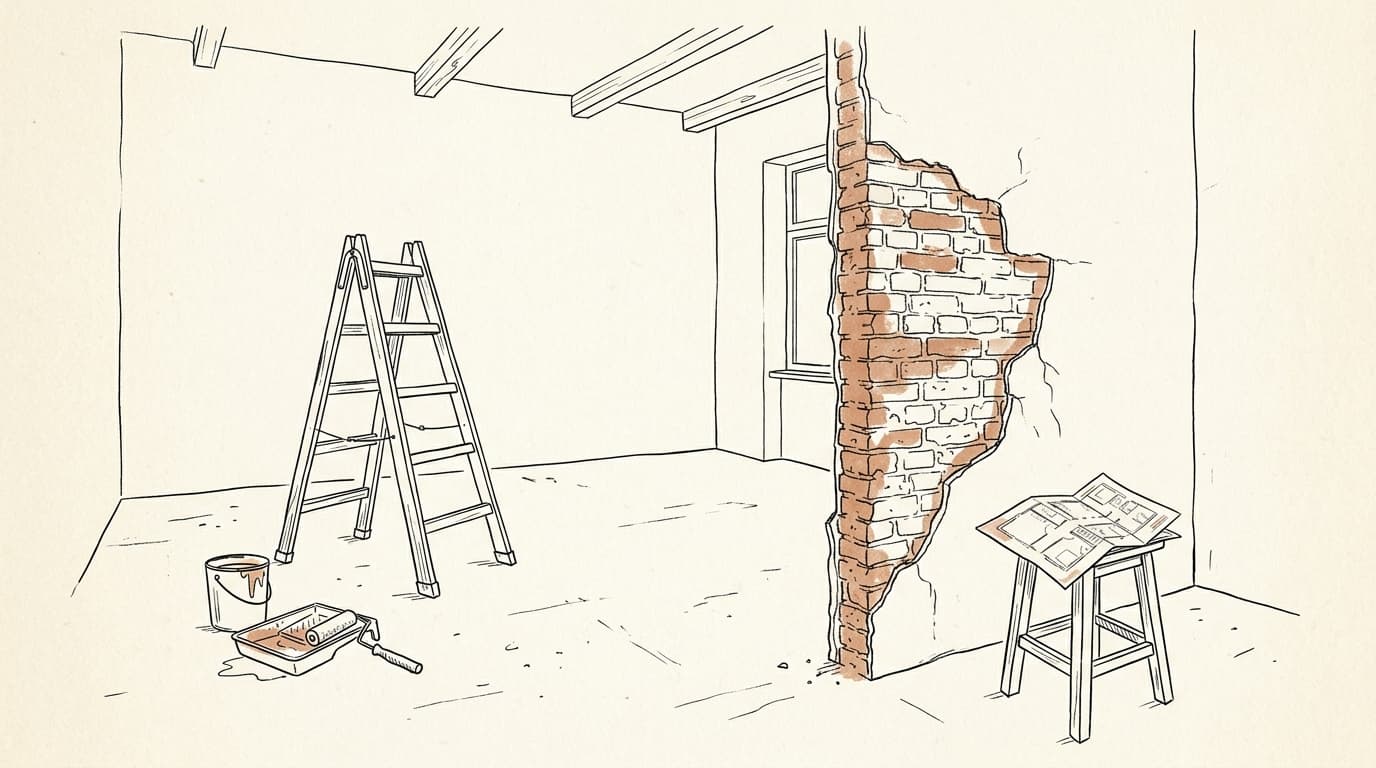 Blog · 17.10.2026
In your private unit, you renovate without asking anyone's opinion. As soon as the works touch a load-bearing wall, the facade or a common pipe, you need a two-thirds vote of the general meeting, obtained before the first sledgehammer blow. Here is how to tell, and how to prepare the request.
Read the postThe Civil Code sets an attendance quorum and several voting thresholds. A decision passed under the wrong threshold can be challenged before the justice of the peace.
Co-ownership rules are federal: articles 3.78 to 3.100 of the Civil Code govern the general meeting, the syndic, the accounts and legal remedies.
The EPC for common parts, the renovation obligation, the environmental permit (omgevingsvergunning) and Mijn VerbouwPremie fall under the Flemish Region.
Water is supplied and billed by Vivaqua; the EPB certificate, planning rules (CoBAT) and renovation grants fall under the Brussels-Capital Region.
Shares, deed of division, house rules, reserve fund: each term defined in two sentences, with the article of law.
Open the glossaryMeters, heat cost allocators and allocation keys: how each unit’s share is calculated.
Read the page